Blog
LED-Matrix Blog
Hands-on tutorials, project builds, and lab tests for pixel LED enthusiasts — from first ESP32 flash to large-scale HUB75 walls.
This hub collects every blog article on LED-Matrix, organized by topic and difficulty. Whether you want to build a $100 matrix, compare ESP32 vs ESP8266, or inject power correctly the first time, you will find a tested workflow here with wiring diagrams, measured data, and next steps.
Featured Guides
- LED Matrix Under $100 — Build a WiFi-controlled 16×16 matrix with ESP32 and WLED, including shopping list and wiring.
- Power Injection 101 — Voltage drop, wire gauge, and fusing explained with tables you can reuse for any 5V or 12V install.
- ESP32 vs ESP8266 — Which microcontroller to choose for WLED, FastLED, and E1.31.
- Audio-Reactive LEDs — Sync strips to music using WLED sound reactive forks.
- HUB75 vs WS2812B — Two matrix technologies compared for brightness, refresh, and cost.
- What Is an LED Matrix? — Primer on panel types, controllers, and software for beginners.
- Pixel LED Animator 3 for LedEdit — Fresh effects for the tools you already use.
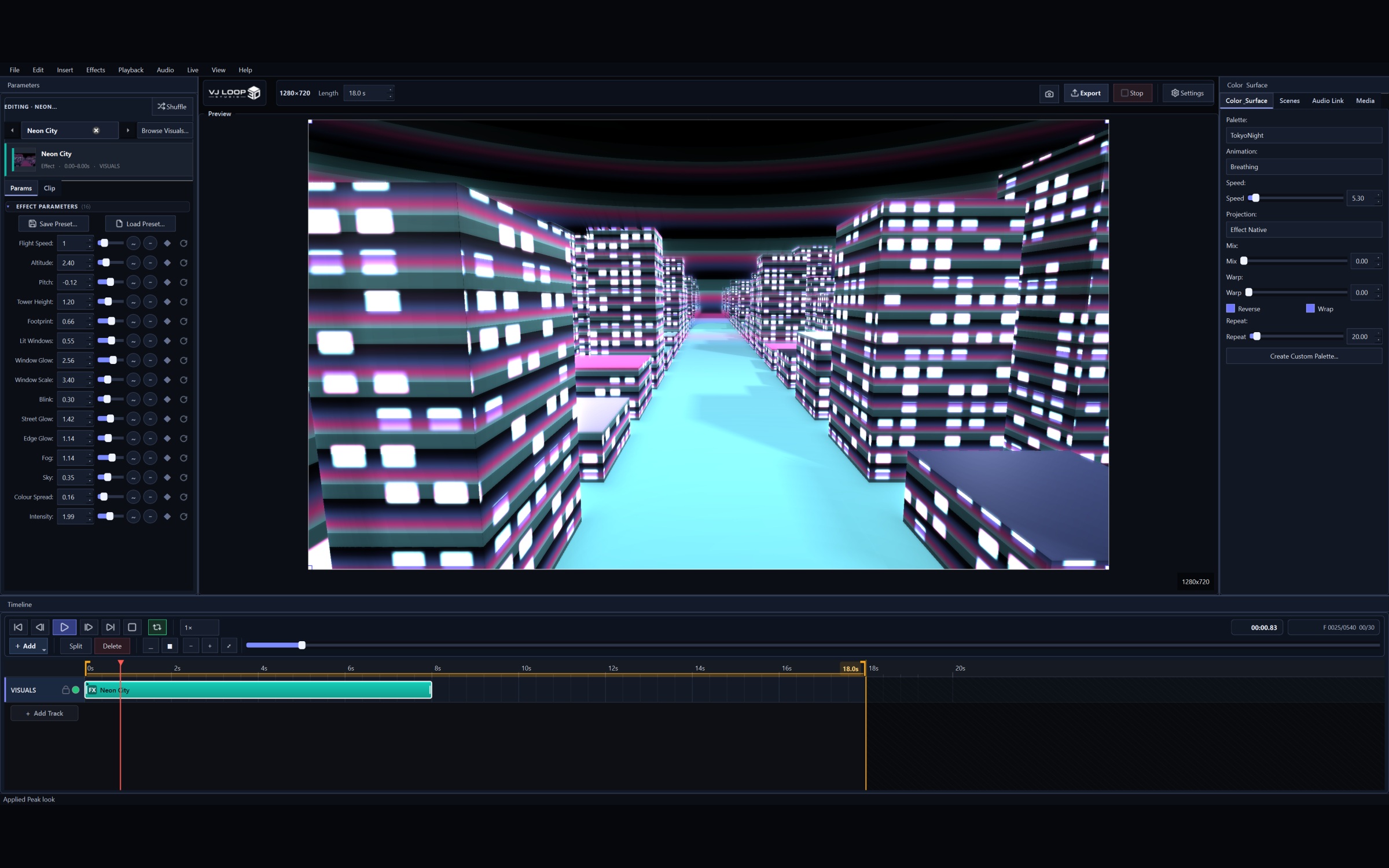
- VJ Loop Studio Audio-Reactive Generator — Generate visuals that react live to music.
Explore all tutorials or dive into comparisons like 5V vs 12V strips and Falcon vs Kulp vs QuinLED.
How This Blog Is Organized
Articles are tagged by difficulty (beginner → advanced) and category (hardware, software, protocols, builds). Use the tag pages to filter: for example, beginner guides or WLED tutorials. Each post lists prerequisites and links to prior reading so you can follow a learning path without gaps.
We publish 2–3 articles per month and refresh evergreen pieces when firmware or pricing changes. Check the sitemap for the latest URLs or subscribe via RSS.
Why Read the LED-Matrix Blog
We test, not just describe. Power measurements are taken with calibrated shunts, thermal images are captured under load, and controller limits are found by pushing pixels until frames drop — then we document where and why. That data appears in sortable tables linked from each guide, so you can verify claims and size your own install.
Our authors build permanent installs and contribute to open-source projects like WLED and xLights. The WLED setup tutorial is maintained by a core contributor and reflects the current stable release, not a 2019 fork.
FAQ
How do I find the right tutorial for my project? Start with what is an LED matrix to pick matrix technology, then choose a controller via ESP32 vs ESP8266 and wiring via power injection 101. Each guide links to the next step.
Are code and wiring diagrams included? Yes. Every build article includes a wiring diagram (Fritzing or photo), Arduino/ESPHome code where relevant, and a parts list with retailer links for reference. We also note common pitfalls like floating grounds and missing level shifters.
How current is the information? Each article shows a last-modified date and the firmware version tested. We re-test controllers and re-measure strips when new batches arrive and publish errata when prior advice changes.
Can I request a topic? Absolutely. Use our contact form — we prioritize teardowns and comparisons the community requests most and credit contributors.
Every article is tagged and cross-linked — follow beginner guides, WLED tutorials, comparisons and what is an LED matrix to build a complete learning path. See power injection 101 for wiring fundamentals that apply to every build and revisit monthly for updated measurements and firmware notes. Bookmark this hub for LED matrix under $100 builds and ESP32 vs ESP8266 picks. Updates publish weekly here.
Top 10 LED Matrix Effects You Can Create in Minutes with Pixel LED Animator 3
Ten LED matrix effects that actually impress: matrix rain, neon kaleidoscope, a rotating 3D cube and more - each generated per-pixel in minutes with Pixel LED Animator 3.
Read more →How to Make Audio-Reactive VJ Loops in 5 Minutes with VJ Loop Studio 3D
From blank screen to audio-reactive VJ loop in 5 minutes: choose among 85 effect generators, let beat detection and spectrum analysis drive the visuals, and send them to Resolume, OBS or your LED wall via Spout/NDI.
Read more →Create Your First LED Matrix Animation with Pixel LED Animator 3
Make your first pixel LED animation in under 30 minutes: pick an effect generator, tune the palette, build keyframes and export for LedEdit, Jinx!, xLights or SD-card controllers.
Read more →VJ Loop Studio: Audio-Reactive VJ Loops and a 3D Loop Generator for Live Shows
Generate audio-reactive VJ loops live on stage with VJ Loop Studio - 85 effect generators, real-time 3D loop generation, OSC/MIDI control and Spout/NDI output for LED walls and projectors.
Read more →Pixel LED Animator 3: The Effect Generator for LedEdit, Jinx!, Glediator & xLights
Stop hand-drawing effects in LedEdit and Jinx! - Pixel LED Animator 3 generates 100+ pixel LED effects with keyframes, palettes and one-click export for your workflow.
Read more →What Is an LED Matrix? Displays, Controllers, and Software Explained
An LED matrix is a grid of individually addressable LEDs that displays text, animations, and video. Learn the panel types, controllers, and software — WLED, xLights, LedEdit — and how to pick your first matrix.
Read more →What Power Supply Do I Need for My LED Project? A Complete Sizing Guide
How to calculate the right power supply for your LED project — current draw, voltage, headroom, and safety.
Read more →RGB vs RGBW vs RGB+CCT vs Addressable: Which LED Type Is Right for You?
Not all LED strips are the same — RGB vs RGBW vs RGB+CCT vs addressable pixels, and when to use each.
Read more →LEDEdit Software and T-Series/K-Series Controllers: Complete Guide
LEDEdit is the go-to free software for programming pixel LEDs with T1000S, K1000C, and T8000 controllers. Here’s everything you need to know.
Read more →HUB75 vs WS2812B
Head-to-head comparison of HUB75 RGB panels and WS2812B strips for building LED matrices — refresh rate, resolution, cost, driving complexity, and real-world use cases.
Read more →How to Solder LED Strips: A Complete Beginner's Guide
Step-by-step guide to soldering addressable LED strips — from iron choice to heat shrink.
Read more →Getting Started with Home Assistant LED Control: WLED, MQTT, and Automations
Integrate addressable LEDs into your smart home with WLED, MQTT, and Home Assistant.
Read more →DIY LED Firmware Showdown: WLED vs ESPixelStick vs Tasmota vs ESPHome vs FastLED
Five open-source LED firmware options compared — WLED, ESPixelStick, Tasmota, ESPHome, FastLED.
Read more →Build Audio-Reactive LEDs: Sync Your Lights to Music
Turn any LED strip or matrix into a music visualizer. Connect a digital microphone to your ESP32 and configure WLED for real-time audio-reactive effects.
Read more →10 Common LED Beginner Mistakes (And How to Avoid Them)
The 10 most common pitfalls when starting with addressable LEDs and how to avoid each one.
Read more →ESP32 vs ESP8266 for LED Projects: Which Should You Choose?
A practical comparison of ESP32 and ESP8266 microcontrollers for LED projects — performance, pin count, WiFi reliability, and when each makes sense.
Read more →Power Injection 101: Never Dim Your LEDs Again
Why your LED strip dims after 5 meters, how to calculate voltage drop, and exactly where to inject power for perfect brightness across long runs.
Read more →Permanent Outdoor LED Installation: Complete Guide
How to install permanent addressable LED strips on your house for year-round effects.
Read more →How to Build a WiFi-Controlled LED Matrix for Under $100
Build a fully addressable 16×16 LED matrix (256 pixels) controlled wirelessly with WLED for under $100. No soldering experience required.
Read more →DMX vs Pixel LEDs: When to Use Each Protocol
DMX512 and direct pixel LED control serve different purposes. Learn when to use each.
Read more →Choosing LED Strip Density: 30 vs 60 vs 144 LEDs/m
LED strip density affects brightness, resolution, power draw, and cost. Here’s how to choose.
Read more →WLED 0.15: What's New in the Latest Release
WLED 0.15 brings 2D matrix overhaul, new audio reactivity engine, improved sync, and better ESP32-S3 support.
Read more →